
Foils.
Either love them or hate them, they are a part of the Magic Universe. Most people have chosen to express a large amount of disdain for what I feel is the single most under appreciated vehicle for financiers. Where would we be if there wasn’t that irreverent lust for that which must be PIMPED!

Over the course, some have viewed foils as an unnecessary distraction. A spanner in the works. A higher cost, higher probability of stagnation, higher chance of price gouging, and just an overall bad practice. These are all the reasons you should be also focusing on these incredible diamonds in the rough. Let us not confuse this. There’s a certain je n’est ce qui when it comes to foils. People lose their minds for them, or could not care less! I’ll give you a prime example of the absurdity of foils. I can sum it up for you in one profound statement: Take a look at TCGplayer. How often is there a listing with a reasonable expectation to have a foil for sale, but DOES NOT?
Think about this for a minute. One of the leading price suppliers in the industry does not have a consistent supply of sellers listing foil copies. This alone makes the process of correctly pricing a card incredibly hard. How do we gauge the price on this? Simple. I’ll offer you an amount I am comfortable with.
What just happened here? If the key hasn’t been turned in the lock, let me break it down for you. The crutch that TCGplayer, Star City, et al. provide for your every day pricing needs - it’s a fallacy. The truth is that many financiers don’t or should not pay attention to daily pricing of what a card is worth NOW. If I am discussing a card with you, and I am asking about a value, I guarantee that no where in my mind are your values the same as mine. I have three values: Buy Price, Max Buy In Price, & Expected Future Retail Value. The only one that can come close to that same value is whatever your expectation of value is. For you are about to trade sell me.
Foiled Again
I cannot recall how many times someone believed I was either lying or “pulling the wool over” them when I would get shot down on a price, and then immediately ask what they want. Typically, if I get shot down on a card - we both want that card for similar reasons. The difference is, I’m willing to deal on the basis of a future value. So, with that in mind - I’ll find out what your number is. What is the number you are willing to really let that card go at? What is the offer you can’t refuse? It’s worth $50 and let’s say your number is $60. Ok. I agree and do the transaction. You feel you’ve just made a great trade, and in actuality you have. Here’s the difference: That item might not leave my possession until it’s worth $100. Did you still make a great trade? ABSOLUTELY. This is creating a win/win situation while thinking 4th dimensionally.
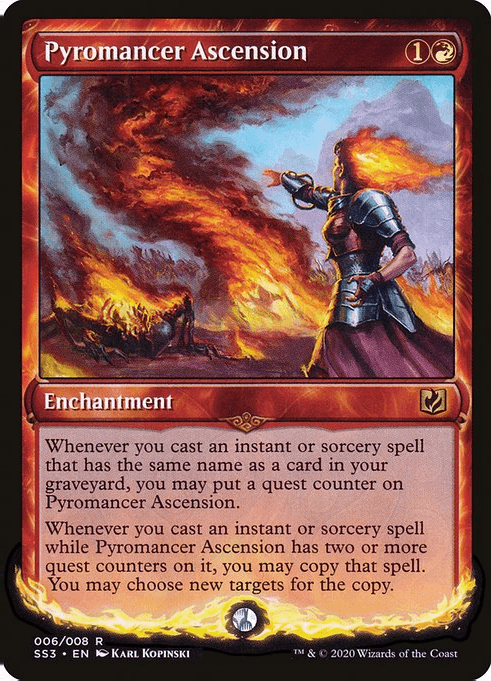
Now, to bring this full circle. Look at it a different way: Let’s say we are talking about a Foil ______________. The information available is spotty, and prices range for current market price being $40-$65. From the get go, I’ve made sure you understand that I am investing in this card because at some point I will resell it. I’m COMFORTABLE investing in this card at the $35 range - mainly because of having to properly account for market fluctuations, where the cards real value could stabilize at, etc. etc. There’s a number of factors that will determine my asking price, but for this scenario - it’s below current market. If I’m striking at the right time on this card, the future will be entirely murky. (That’s why it’s called speculation, remember.) Now the ball is completely in your court if that number works for you.
This is really where the bias of the market comes into play. You could not care less for this Foil ________________. It fell into your lap when you last drafted in pack 1 pick 1. It does not matter the reason. The importance of it is just is there for you, plus - you don’t trade often enough for it to do much more than just sit in your binder. You’re not going to strike while the iron is hot, and you might not even list it on eBay.

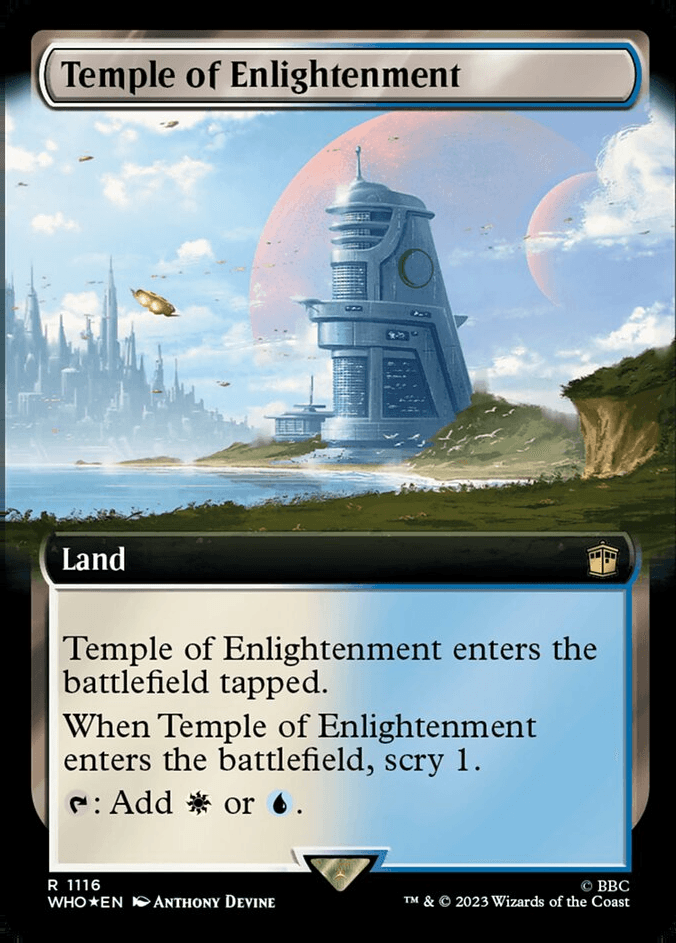
How many times have you seen this situation? For those that are constantly on the trade floors this is where you can really create a win/win situation.
Think about it though. The reason why the foil market is such a circulating nimbus of smoke and mirrors is because it requires more work. A healthy percentage could care less, other’s LOVE them. This disparity relies on one huge factor. You. The time you put in. The work you put in. Are you going to be able to find that person that is looking for that Foil ________________? If you can’t reasonably answer that question - either because you aren’t trading often, you aren’t selling often or you are just not actively buylisting weekly, then YES avoid foils. Or, focus on the long term advantage of what foils can do for you.
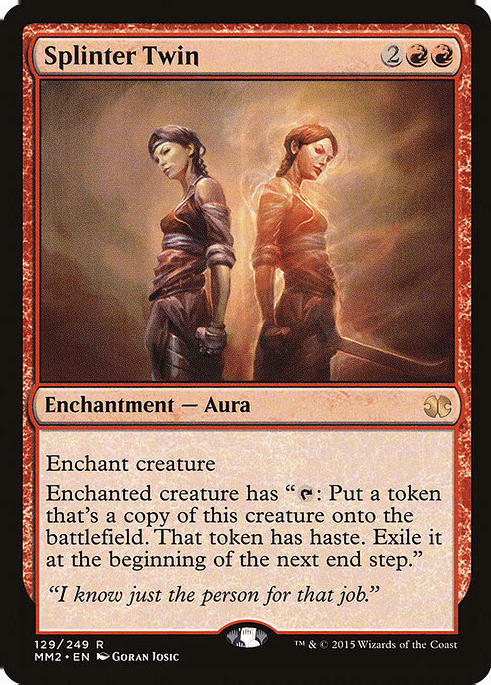
In all actuality though, Foils are a market ripe for change. It is a market ridden with untapped potential and now that the global marketplace and infrastructure really is in place, there is no reason to avoid that cross section of players. I, myself, have invested a great amount of time and effort into a foiled Modern deck. Why? Because it will appreciate faster, I put in the time already without any extra demand on me, and the staples involved will hold their value longer - allowing me to set this aside as a reasonable savings plan. When I am ready to sell, it will be a great amount towards my sons tuition for a year of college. This is just but one possibility. Find yours.
-Till Next Time.